Shoe Construction: Lasting, Stitching and Soles
Two shoes that look alike on a shelf can be built in entirely different ways, and the difference shows up years later. One can be resoled twice and kept for a decade; the other is finished when the sole wears through. Nothing on the outside reliably tells you which is which, so it helps to know the parts and the way they are joined.
This article explains what each component of a shoe does, how an upper is pulled over a last, and how the sole is attached. The last of those is the part that decides repairability, and it is the part most buyers never think about.
The parts and what each does
A shoe is a small structure, and every layer has a function.
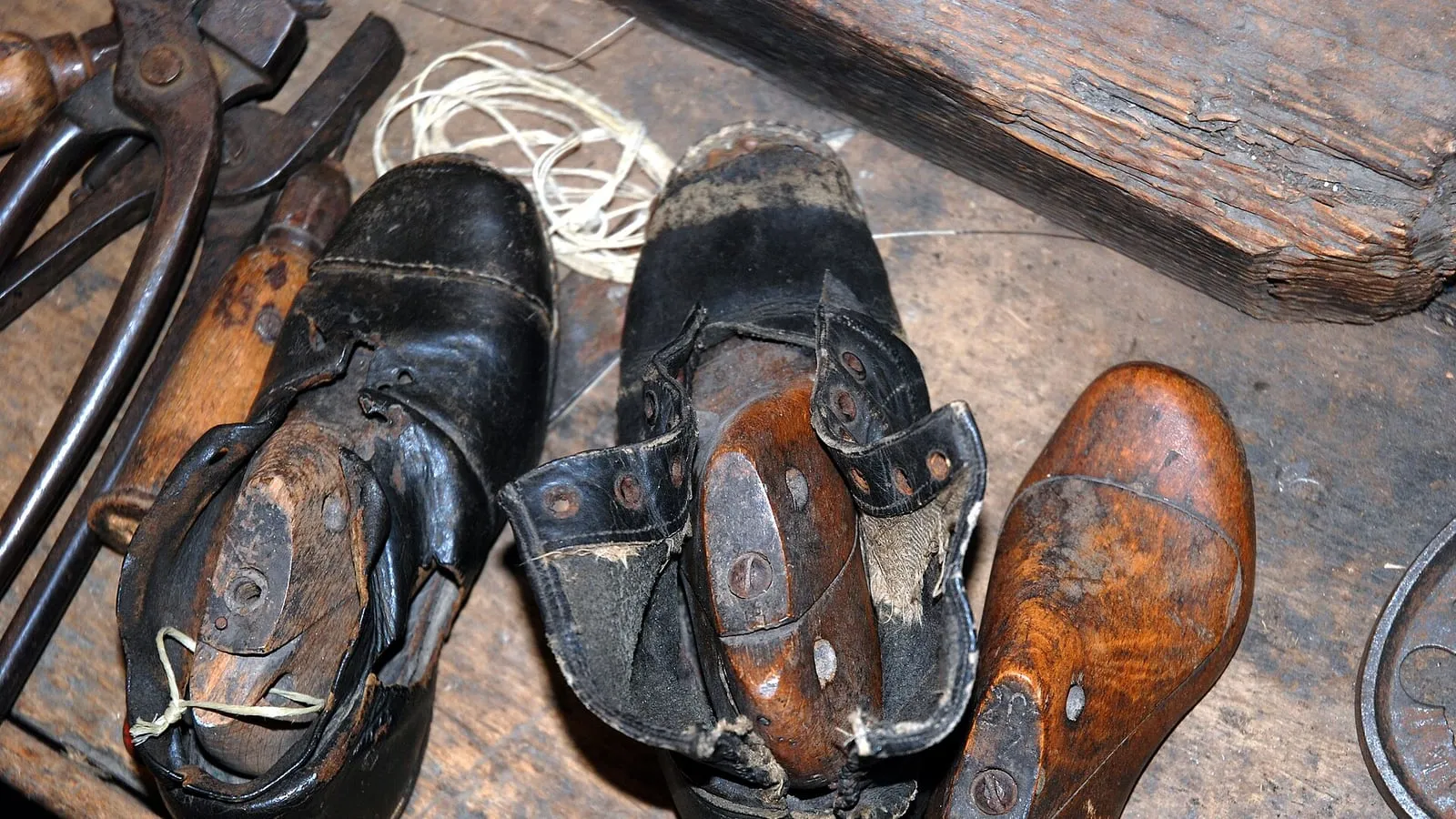
- The last is the form a shoe is built around. It is not part of the finished shoe; it is the shape the shoe is made to.
- The upper is the material over the foot: leather, textile, knit or synthetic. It holds the foot, resists water and abrasion, and forms the shoe’s look.
- The lining is the inner layer against the foot. It affects comfort, moisture handling and how quickly the inside wears out.
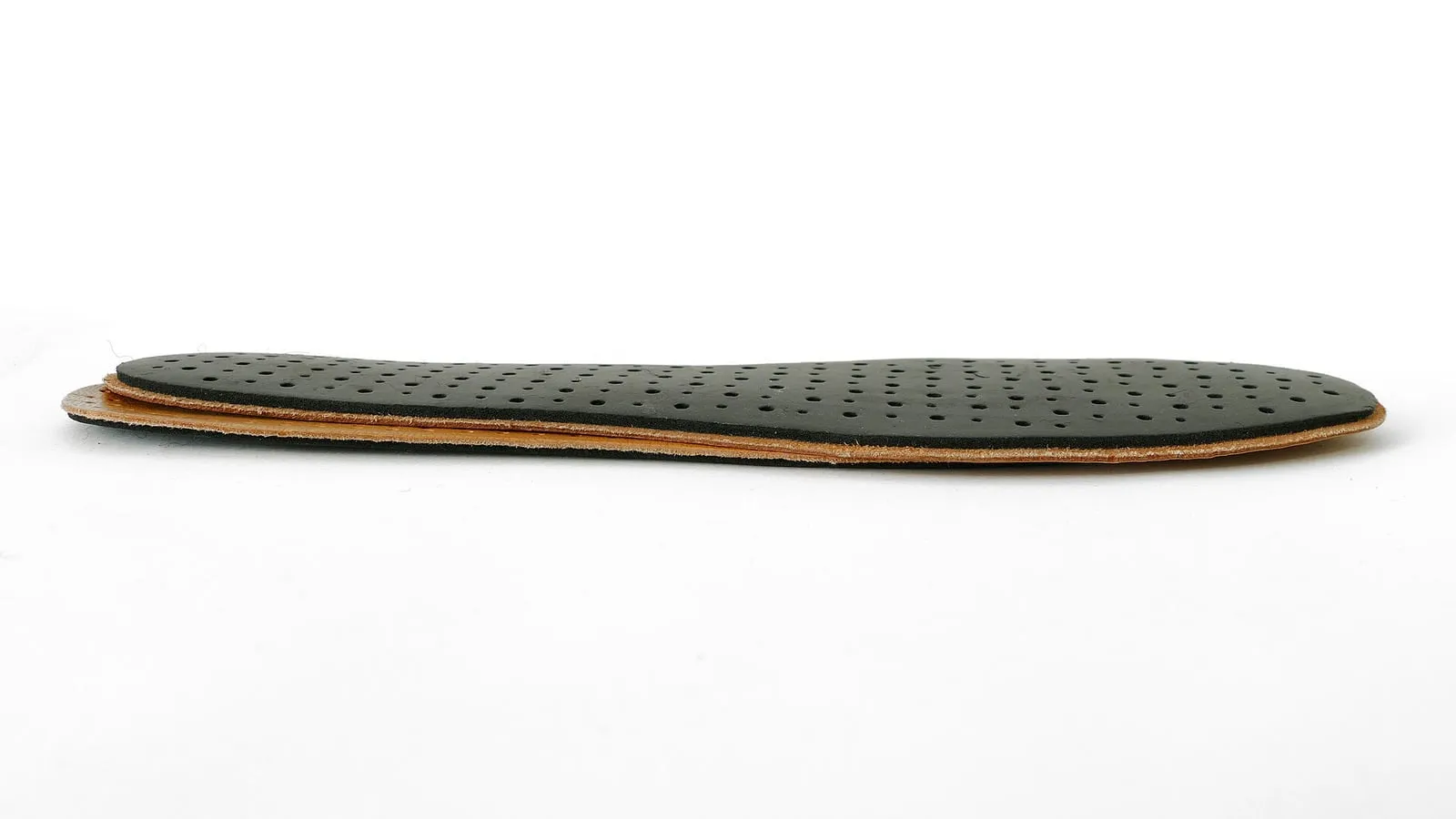
- The insole is the flat layer the foot rests on, sometimes called the sock or footbed. In stitched shoes it is a structural board; in cemented shoes it is often a thin foam insert.
- The midsole sits under the insole and above the outsole, and provides cushioning and shape. Trainers have a thick one; dress shoes have a thin one or none.
- The shank is a stiffener running through the waist of the shoe, under the arch, that stops it bending in the wrong place.
- The outsole is the bottom surface that meets the ground. Its rubber or leather compound and pattern determine grip and wear.
- The heel raises the back of the shoe and, if it is separate, is the first thing that wears and the easiest to replace.
The upper is often the only part a buyer inspects, yet the insole and the way the sole is attached determine how the shoe will behave after a year.
Lasting: pulling the upper over the form
Before any sole is attached, the upper is stretched over the last and fixed to the insole. This step is called lasting, and it shapes the upper permanently. Because the upper is dampened or warmed and then pulled tight, the shoe takes the precise form of that last, which is why the last shape matters so much to fit.
There are two ways to last a shoe. In hand lasting, the upper is pulled over by hand and tacked in place, which allows the maker to work the material gradually and follow the last closely. In machine lasting, a machine pulls the upper with even force in a single movement, which is fast and consistent. Neither is automatically better; a well-run machine line produces a neat shoe, and a careless hand-lasting produces a lumpy one.
Lasting is also where the toe puff, a stiffener at the front, and the heel counter, a stiffener at the back, are inserted between the upper and the lining. These are the rigid parts that do not stretch, which is why a shoe that presses on the toes or the heel bone cannot be worn into shape.
Attaching the sole
Once the upper is lasted, the sole is attached. The method used here is the single biggest factor in whether the shoe can be repaired.
Cemented construction glues the sole to the upper. It is the most common method for casual shoes, trainers and inexpensive dress shoes, because it is quick and cheap. A cemented sole can be replaced, but the operation involves heating and pulling the old sole off a layer that is not designed to be reopened, so the bond is weaker each time and the shoe’s shape suffers.
Stitched construction sews the sole to the upper through a welt or through the insole. Stitching can be unpicked and redone, so the shoe can be resoled repeatedly without damaging the upper. This is the reason stitched shoes cost more and last longer.
Injection-moulded and direct-attached construction is used for a great many trainers, work boots and moulded footwear, where a sole is moulded directly onto the upper. These are strong and waterproof, but they are not built to be taken apart, so a worn sole usually ends the life of the shoe.
Welted and Blake stitching
Two stitched methods are worth knowing by name.
Goodyear welting sews a strip of leather, the welt, to the upper and the insole, and then sews the sole to the welt. The shoe can be resoled many times, the welt itself can eventually be replaced, and the cavity created by the welt often holds a cork filler that moulds to the foot. Welted shoes are heavier and stiffer, and need breaking in.
Blake stitching sews the upper directly to the sole through the insole in a single line, often from the inside of the shoe. It is lighter and more flexible than welting and uses less material, but water can travel along the stitching, and the sole can only be replaced a limited number of times before the insole is perforated through. A variant, the Blake-Rapid, adds a second stitch under the arch for more strength.
Both are genuinely repairable. Cemented and moulded shoes, for the most part, are not.
Reading construction in a shop
You cannot see inside a shoe, but a few signs give the method away.
- Look for a visible stitched seam running around the edge of the sole where it meets the upper. A line of thread suggests stitched construction; a smooth edge usually means glue.
- Bend the shoe. A goodyear-welted shoe resists bending at first and flexes near the ball. A cemented shoe of similar style bends more easily and sometimes along its whole length.
- Look at the heel from behind. A stitched or nailed heel is likely to be reattachable; a moulded one is not.
- Ask. A shop that sells goodyear-welted shoes will nearly always know the term, and a shop that does not will not.
Where the money goes
Construction explains much of a shoe’s price. Welting takes skilled labour and extra material; cementing can be automated. But construction is not the whole story: leather quality, the shape of the last and the finishing of the upper all cost money too. A cemented shoe in excellent leather can be a better purchase than a welted one in poor leather, and neither will be resoled if the upper is weak.
The practical question is not which is objectively best but how long you intend to keep the pair. If you want to walk a lot of miles and repair rather than replace, look for stitching. If you want a light shoe for a season, cemented construction is entirely fit for purpose, and the price should reflect it.