Guide Archive
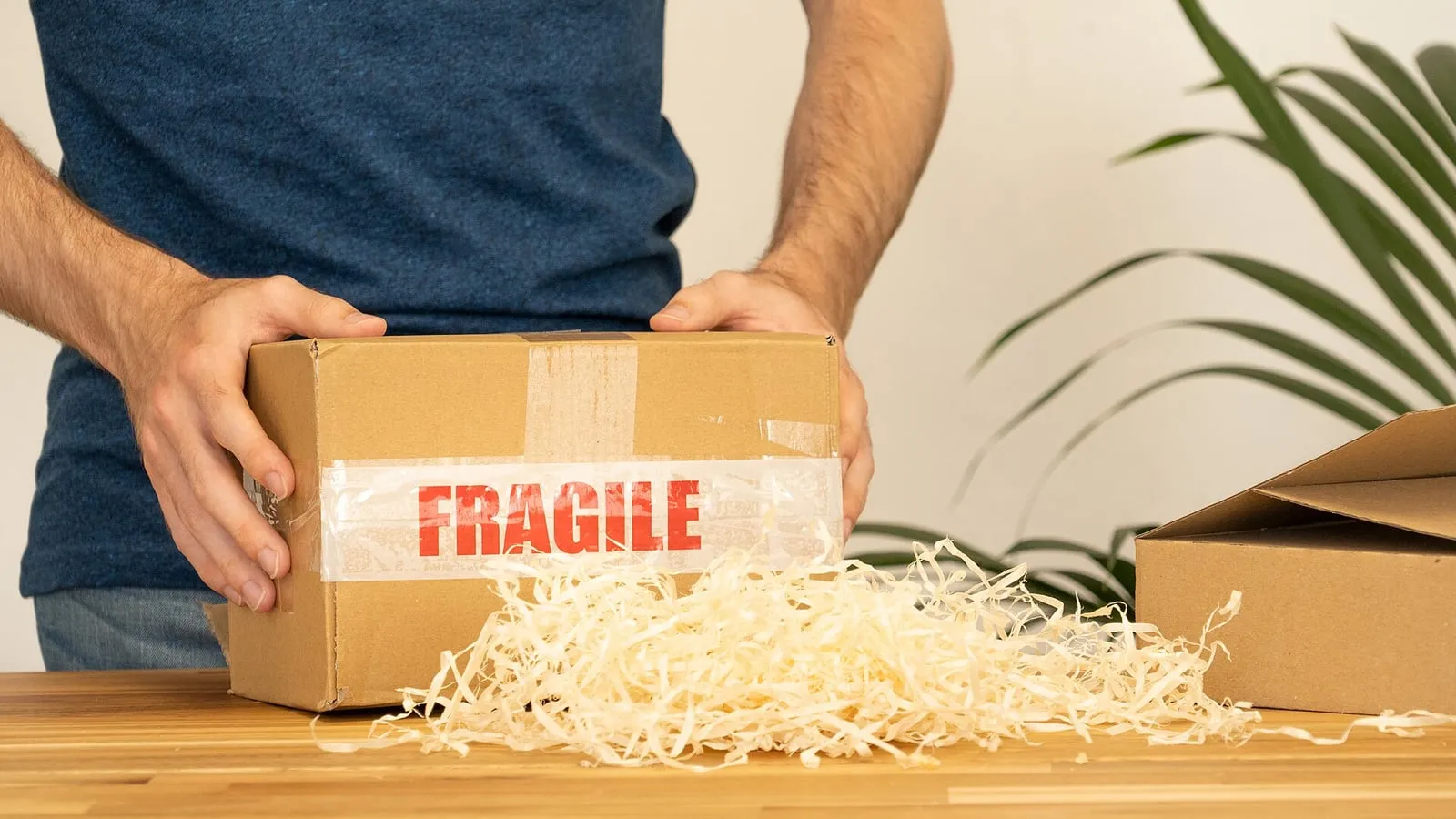
Buying Shoes Online Without the Returns Cycle
Ordering shoes online does not have to mean repeated returns. Measuring against a shoe you already own, reading the fit details that matter and checking within minutes of delivery can settle the fit the first time and save the postage.
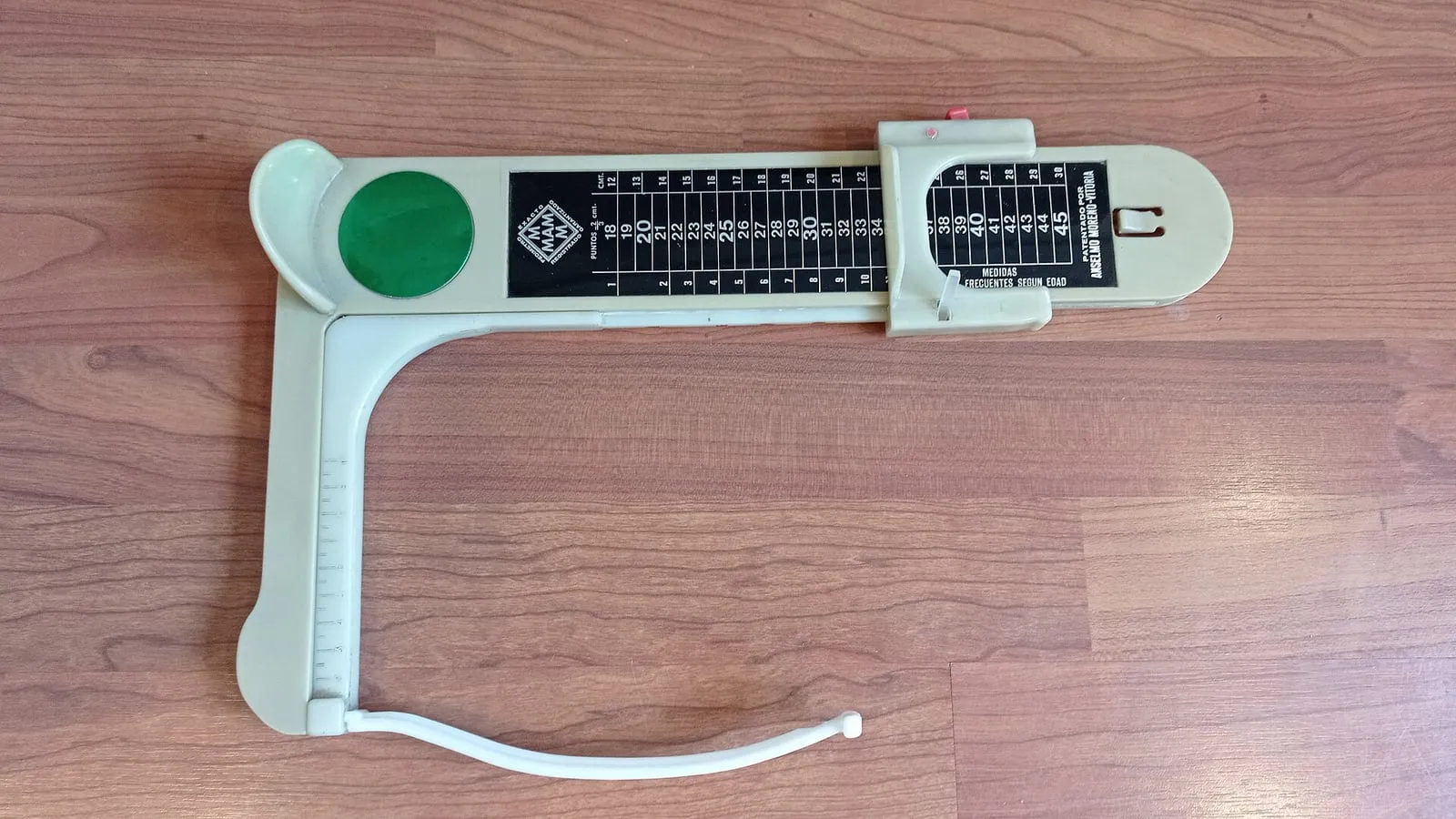
How to Measure Your Feet at Home
Two measurements, taken in the evening on a sheet of paper, will tell you more about what size to order than any size label. Here is the method, and the mistakes that make it wrong.
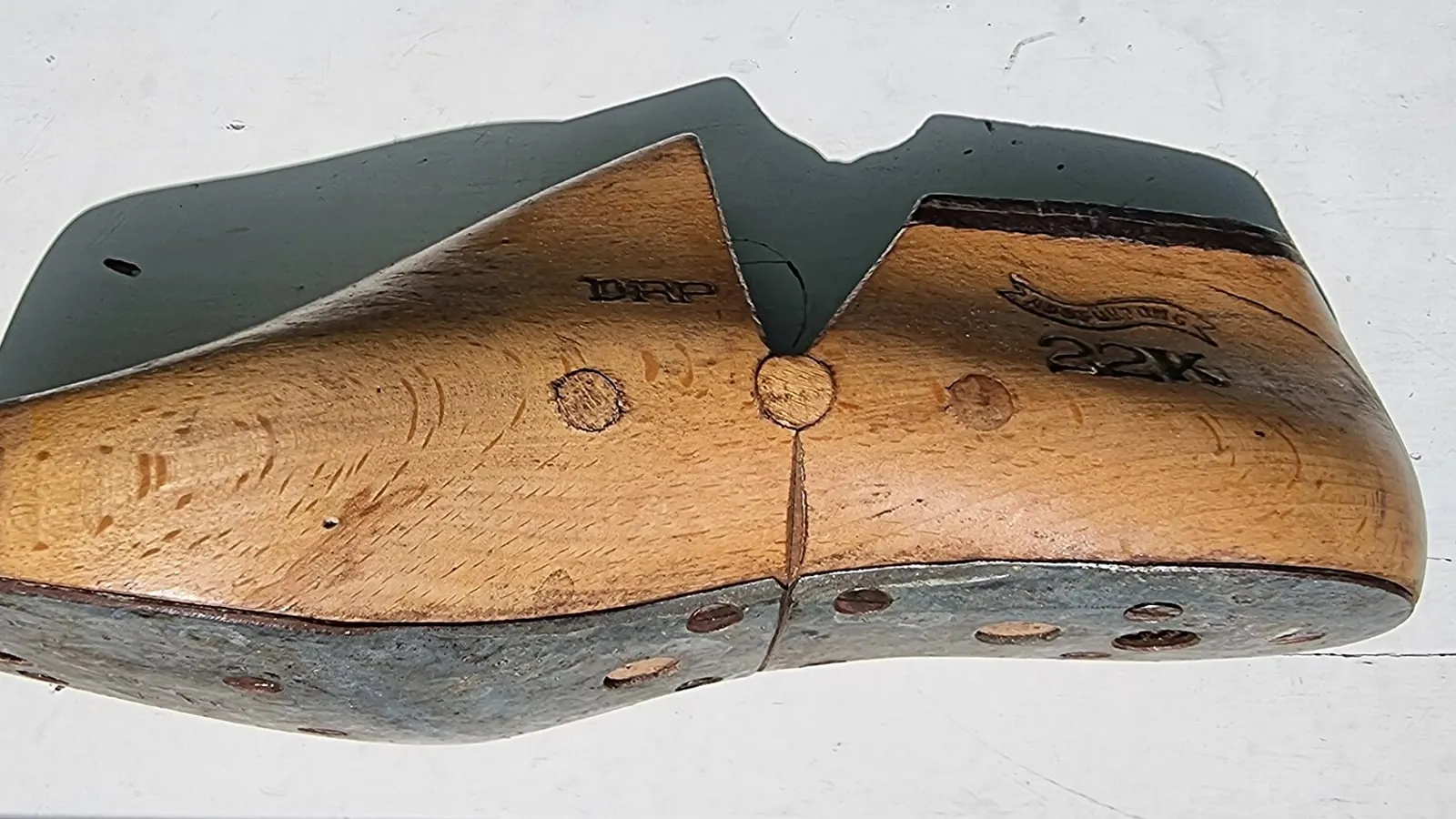
Why Shoe Sizes Differ Between Brands
A UK 9 in one brand can be a full size different from a UK 9 in another. The reason is that size numbers describe a last, not your foot, and every brand builds its own.
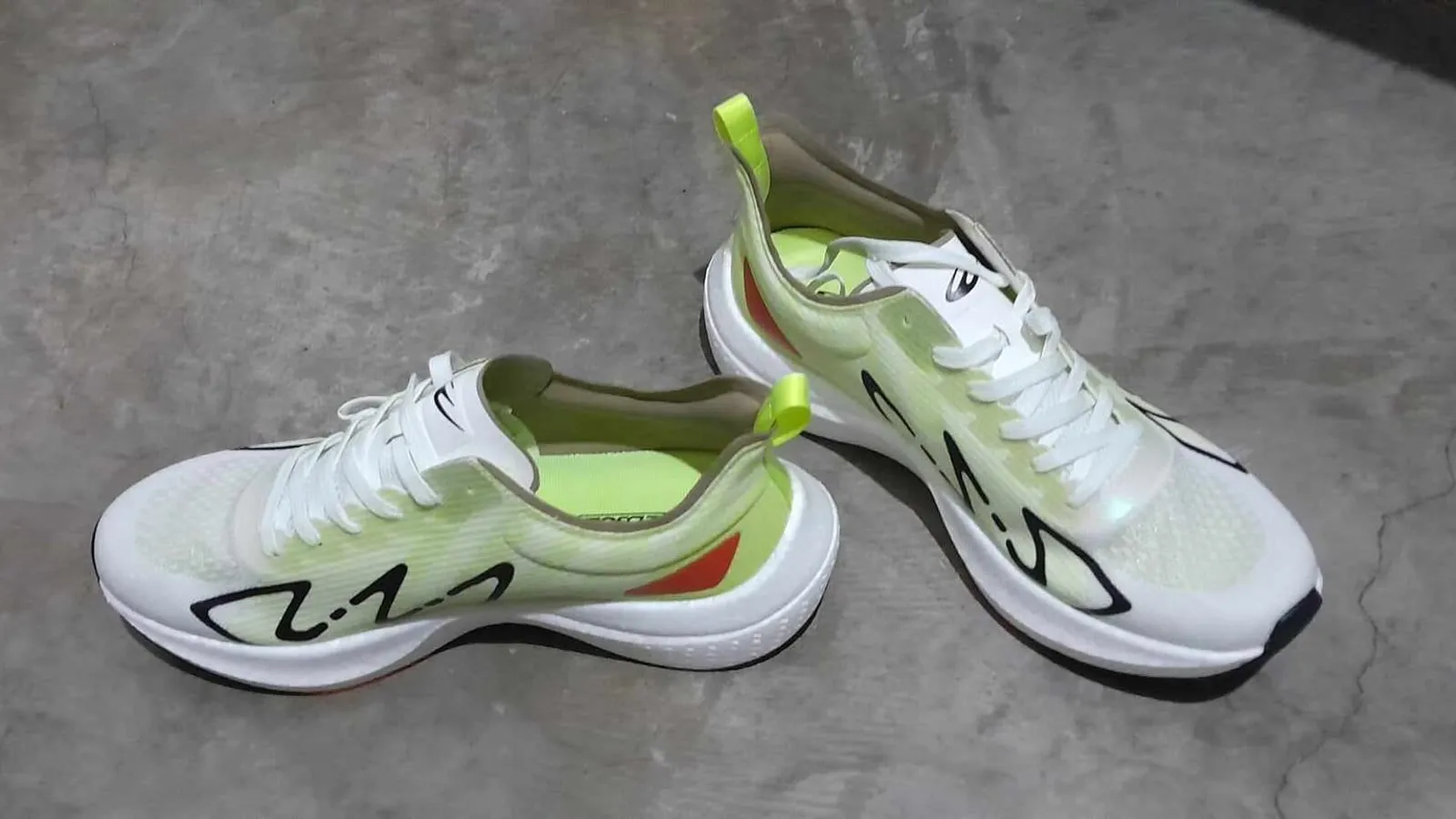
Choosing Running Shoes by Use Rather Than Hype
Running shoes should be chosen by how far and how often you run, and on what surface. Support, cushioning, plates and weight are trade-offs to match to that use and to your own feet, rather than upgrades to collect for their own sake.
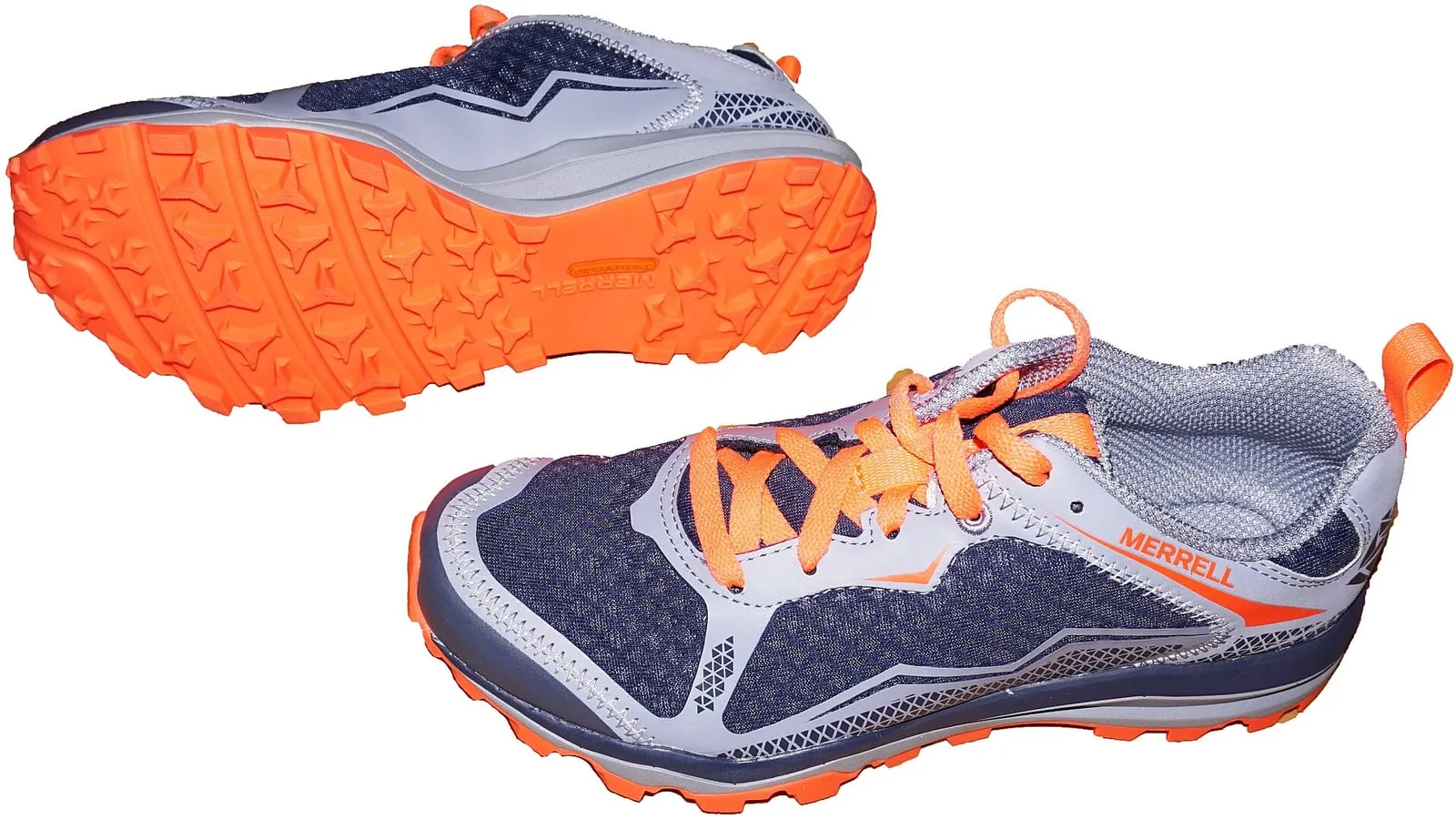
Trail Shoes vs Road Shoes: The Differences That Matter
Trail and road shoes are built for different ground rather than different levels of ability. Lugs, rubber, cushioning and waterproofing all change, and the route you run decides which trade-offs you actually want, rather than the label on the box.
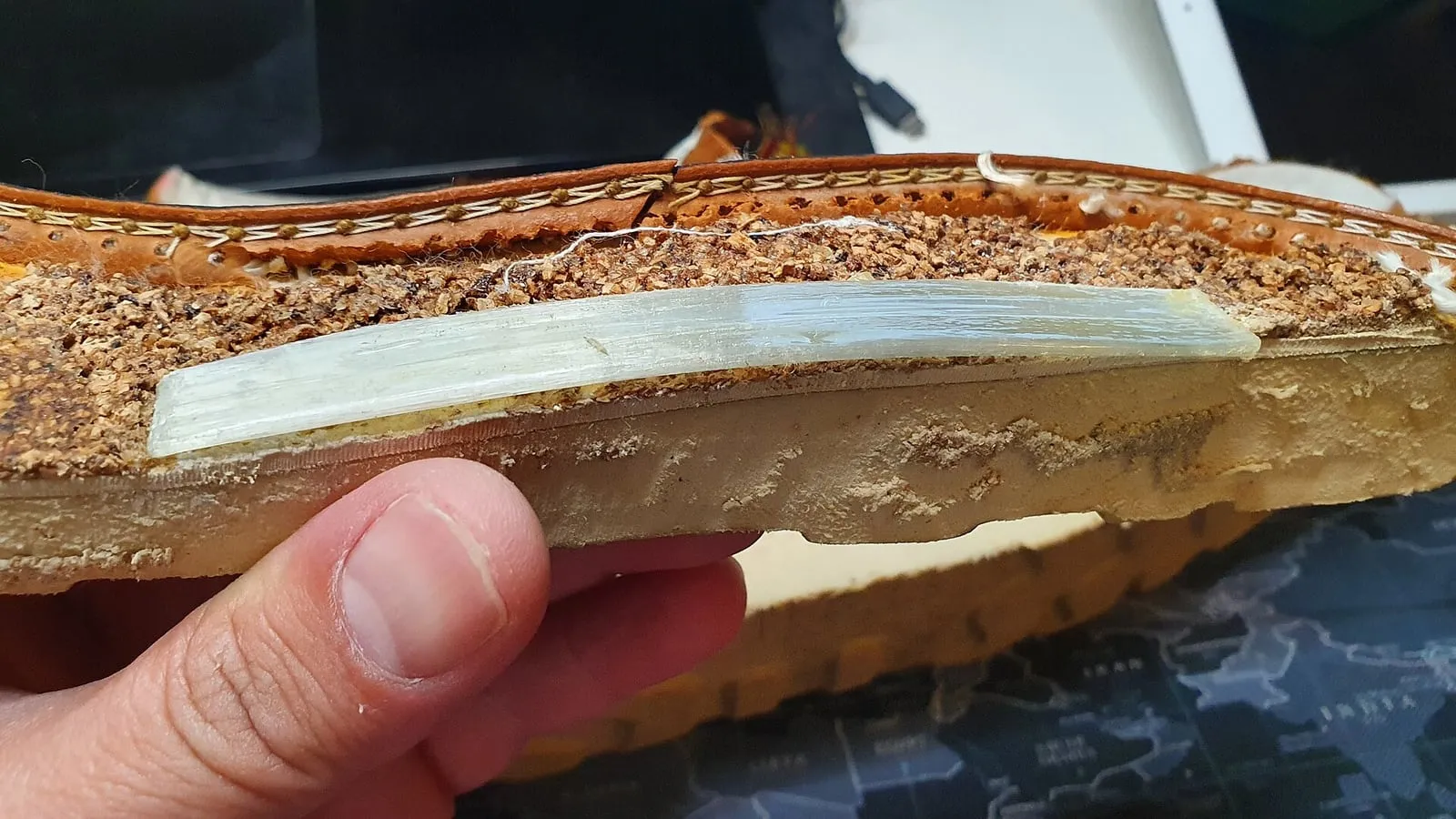
Resoling and Shoe Repair: What Is Worth Fixing
Some shoes can be resoled several times while others end when the sole wears through. Knowing the difference, and how to describe a fault clearly, helps you decide when repair is better than replacement and when the money is wasted.
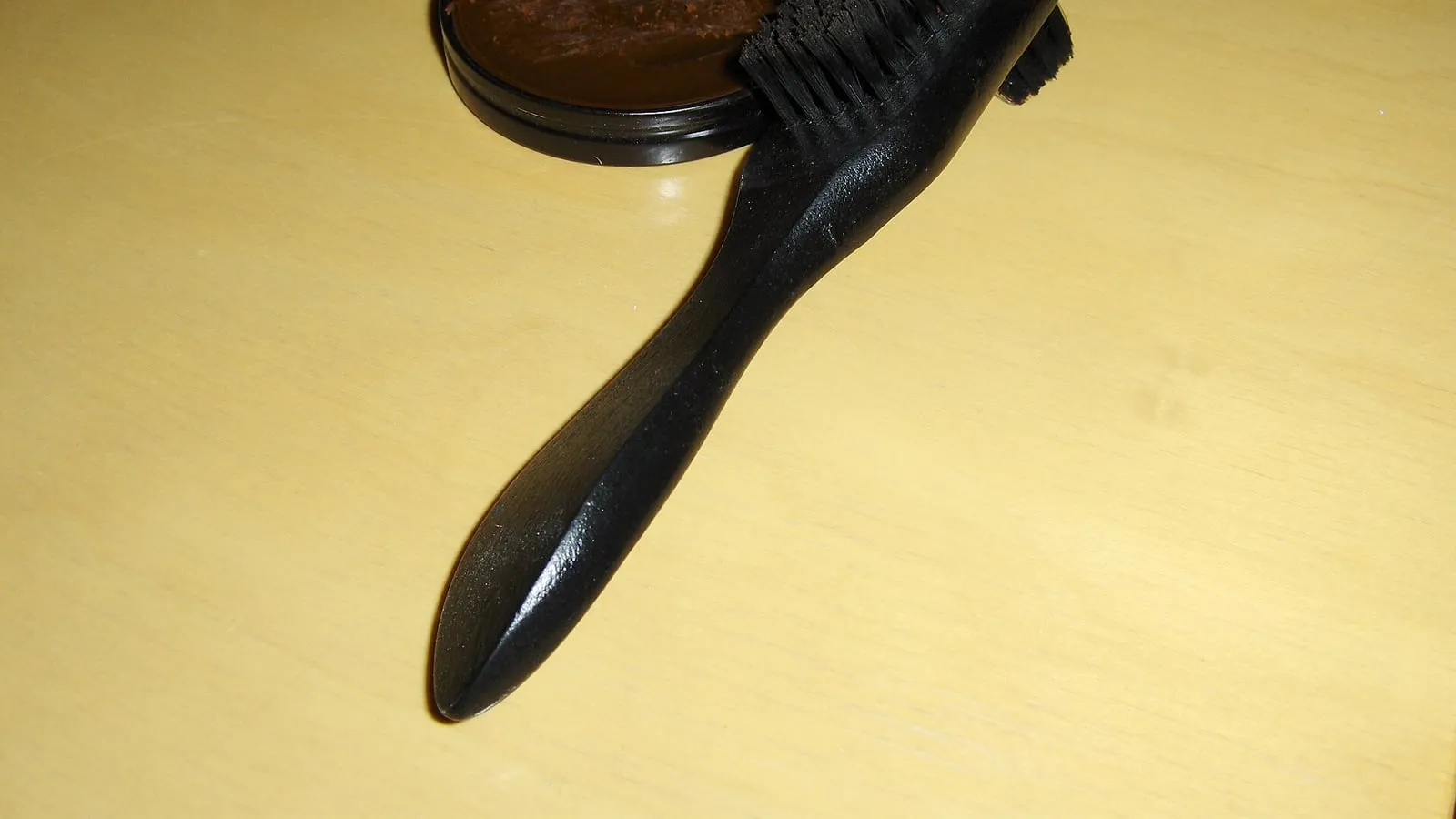
Cleaning and Conditioning Shoes by Material
Smooth leather, suede, textile, synthetic and rubber each tolerate different treatment. Cleaning in the right order, and conditioning often enough, matters far more than which branded product you happen to use, and it takes only a few minutes each week.
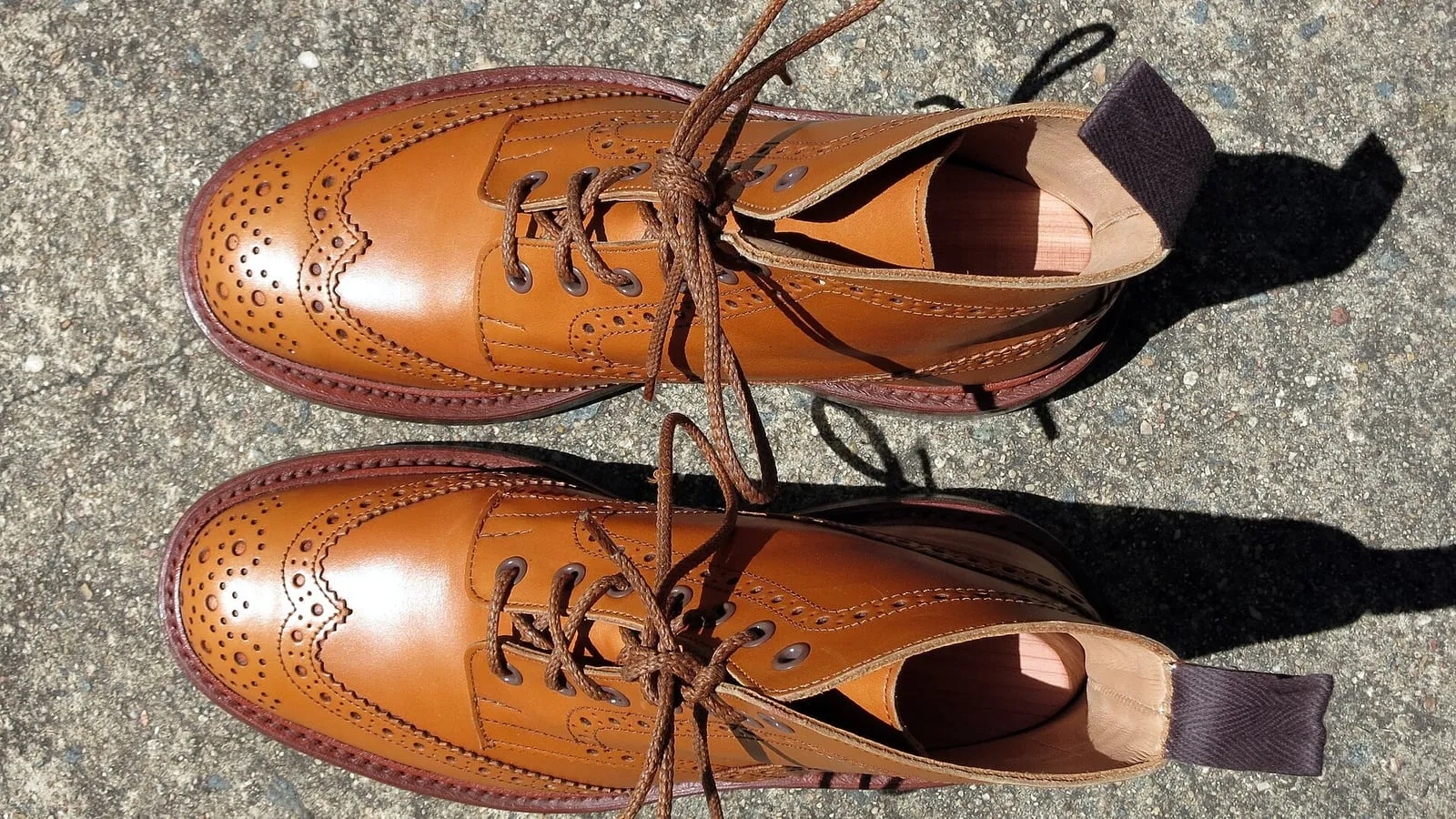
Rotating Your Shoes: Why Drying Time Matters More Than Polish
Shoes absorb moisture with every wear and need time to dry and recover their shape. Feet sweat, leather swells, and a shoe worn daily never fully dries. Rotating pairs gives that time and extends the life of a pair more than any product.
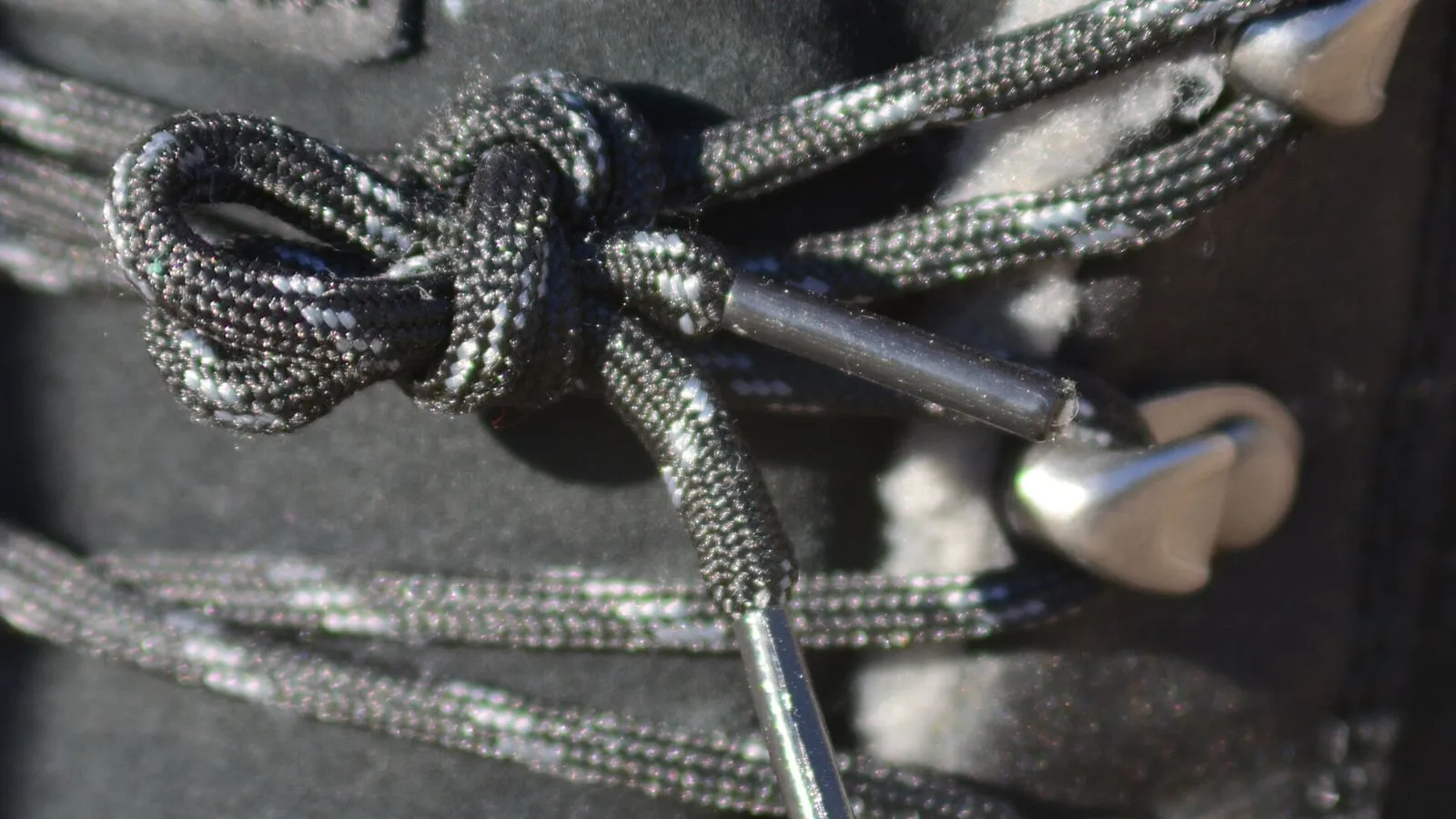
Breaking In Leather Shoes Without Ruining Them
Leather softens and takes the shape of the foot, but it does not grow longer. Breaking in works with warmth, moisture and short wears, while the shortcuts that promise speed, such as soaking and heating, usually ruin the shoe instead.
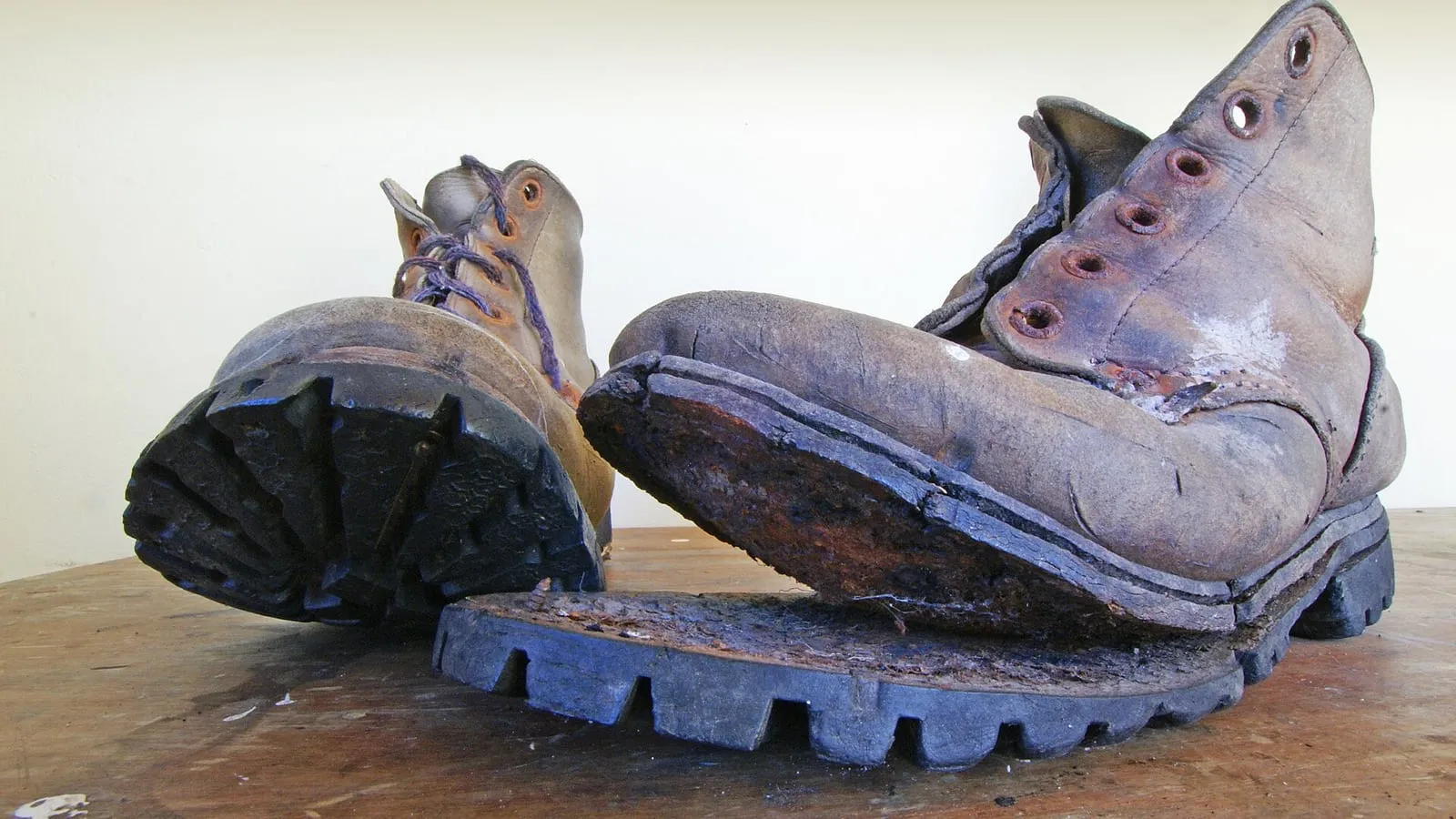
How Shoes Wear Out, and What the Wear Pattern Tells You
Where a sole wears thin, where the midsole collapses and where the upper creases all carry information. Reading those patterns tells you how you walk, which parts of a shoe fail first, and whether a pair is worth repairing again.